Lawn Care in Ickenham: Practical Tips, Seasonal Maintenance, and Local Expertise
Keeping a lawn healthy, green, and attractive in Ickenham takes more than the occasional mow. Local weather, soil conditions, shade from mature trees, and everyday use all influence how grass grows in this part of West London. Whether you have a small front lawn, a family garden, or a larger outdoor space, the right lawn care in Ickenham can make a noticeable difference to the appearance and health of your property.
A well-maintained lawn is not only visually pleasing; it also creates a more usable outdoor space for relaxing, entertaining, and family activities. With the right approach to mowing, feeding, aeration, weed control, and seasonal care, homeowners can achieve a lawn that feels soft underfoot and looks consistently neat throughout the year.
This article explores the essentials of lawn care in Ickenham, from understanding common lawn problems to choosing the right maintenance routine for each season. If you want a lawn that stands out for the right reasons, the answer often lies in steady, informed care rather than quick fixes.
Why lawn care in Ickenham needs a local approach

Ickenham lawns face a mix of urban and suburban challenges. Rainfall, shade, compacted soil, and foot traffic all affect how grass performs. Gardens near older trees may struggle with low light and root competition, while open lawns may suffer from drying winds or uneven growth. Because of this, effective lawn care in Ickenham should be tailored to the specific conditions of each garden rather than using a one-size-fits-all routine.
Local properties often feature a combination of clay-based or heavy soils, which can hold water in winter and become hard-packed in dry periods. That means lawn maintenance in Ickenham often includes drainage improvement, aeration, and careful watering practices. A lawn that looks patchy or dull may not be unhealthy beyond repair; it may simply need better soil management.
Another factor is usage. Family lawns, pet-friendly lawns, and front gardens all receive different levels of wear. The best lawn care in Ickenham accounts for how the lawn is used, where it gets sunlight, and which grass varieties are present. Matching your maintenance plan to these conditions helps your turf recover faster and stay resilient.
Understanding the basics of healthy lawn maintenance
Good lawn maintenance starts with the fundamentals. Regular mowing, sensible watering, and seasonal feeding form the foundation of a healthy turf. While these tasks may seem simple, the details matter. Cutting too short, watering at the wrong time, or using the wrong fertiliser can weaken grass over time and make weed growth more likely.
Mowing should be consistent but not aggressive. Grass needs enough leaf surface to photosynthesise and build strength. When mowing, it is usually better to remove only a small amount at a time. This helps reduce stress and keeps the lawn looking even. In many cases, raising the cutting height slightly during hot or dry weather is a smart move for lawn care in Ickenham.
Feeding is another important factor. Grass requires nutrients to recover from mowing, foot traffic, and seasonal changes. A balanced lawn fertiliser can support root development, encourage thicker growth, and improve colour. For homeowners focused on lawn care in Ickenham, timing the feed correctly is as important as choosing the product itself.
The role of mowing in lawn care in Ickenham

Mowing influences both the appearance and health of your lawn. In many cases, weekly mowing during the growing season is ideal, though growth rate will depend on weather and grass type. During spring and early summer, lawns may grow rapidly and need more frequent trimming. In cooler periods, growth slows and mowing can be reduced.
One common mistake is cutting too much at once. Removing more than one-third of the grass blade can shock the lawn and leave it vulnerable to disease and browning. For lawn care in Ickenham, a gradual and regular mowing pattern is usually more effective than infrequent hard cuts.
It is also worth keeping mower blades sharp. A clean cut heals faster and looks neater than a torn edge. Blunt blades can fray the grass, creating a grey or white appearance and increasing the risk of disease. If you want a tidy finish, pay attention to mower maintenance as part of your broader lawn care routine.
Helpful mowing habits
- Mow when the grass is dry to avoid clumping and uneven cutting.
- Vary the mowing direction to reduce soil compaction and rutting.
- Leave grass slightly longer during hot or dry spells.
- Collect clippings if they are heavy, or leave them lightly to return nutrients to the soil.
Watering and irrigation for Ickenham lawns
Watering is often misunderstood. Many lawns suffer not because they receive too little water overall, but because water is applied too frequently and too shallowly. Shallow watering encourages weak roots near the surface, which makes the lawn more vulnerable during dry spells. A better method is deeper, less frequent watering that supports strong root growth.
For lawn care in Ickenham, early morning watering is generally best. This gives grass time to absorb moisture before the heat of the day and reduces evaporation. It also helps the lawn dry during daylight hours, which can lower the risk of fungal problems. Evening watering is usually less ideal because moisture may linger on the grass overnight.
Established lawns often need less water than new ones. In fact, overwatering can be just as harmful as underwatering, especially in areas with heavier soil. If your lawn feels spongy, remains wet for long periods, or shows signs of moss, it may need better drainage rather than more irrigation.
Soil health and aeration for better results

Healthy grass depends on healthy soil. Over time, lawns can become compacted through foot traffic, mowing, and weather. Compacted soil makes it harder for roots to access air, water, and nutrients. This is where aeration becomes essential in effective lawn care in Ickenham.
Aeration creates small holes in the soil, allowing air and moisture to move more freely around the root zone. It can be done with a garden fork for smaller lawns or a mechanical aerator for larger areas. For compacted or clay-heavy lawns, aeration can make a dramatic difference to drainage and growth.
Adding topdressing after aeration can further improve soil structure. A light layer of quality topdressing material helps smooth the surface and supports stronger root development. If your lawn has bare patches, poor drainage, or a tired appearance, improving soil health should be a priority.
Signs your lawn may need aeration
- Water pools on the surface after rain.
- The grass looks thin or patchy despite regular care.
- The soil feels hard and difficult to penetrate.
- Moss becomes more noticeable in shaded or damp areas.
Weed, moss, and thatch control in lawn care in Ickenham
Weeds, moss, and thatch can quickly undermine a lawn’s appearance and health. Weeds compete for light, water, and nutrients. Moss thrives where grass is weak, shaded, damp, or growing in compacted soil. Thatch, the layer of dead grass and organic matter between the soil and the grass blades, can prevent air and water from reaching the roots if it becomes too thick.
Effective lawn care in Ickenham involves dealing with these issues before they take hold. Regular mowing, appropriate feeding, and healthy soil all reduce the likelihood of weed invasion. If moss is a persistent issue, it often points to underlying problems such as shade, poor drainage, or low soil fertility rather than just surface growth.
Scarifying can help remove thatch and moss, allowing the grass to breathe and recover. It should be done at the right time of year, usually when grass is actively growing and can bounce back. For homeowners in Ickenham, combining scarification with aeration and feeding often gives the best results.
Seasonal lawn care in Ickenham

Each season brings different lawn care priorities. A lawn that thrives in spring may need protection in summer and recovery work in autumn. Understanding these seasonal changes is one of the most effective ways to maintain strong, attractive grass throughout the year.
In spring, lawns benefit from clearing debris, light scarification, feeding, and regular mowing as growth resumes. This is also a good time to overseed thin areas and repair patches left by winter damage. Spring lawn care in Ickenham should focus on encouraging fresh, vigorous growth.
During summer, the priority is resilience. Avoid cutting too short, water sensibly if needed, and monitor for dry patches. If the weather is hot and dry, the lawn may naturally slow down. This is normal, and it is often better to protect the grass than push for rapid growth.
Autumn and winter care tips
- Autumn: Feed the lawn with a seasonal fertiliser, clear fallen leaves, and repair worn sections.
- Winter: Minimise foot traffic on frozen or waterlogged grass.
- Keep the lawn free from debris to reduce disease risk.
- Plan ahead for spring improvements, including overseeding or soil work.
Autumn is often one of the most valuable seasons for lawn care in Ickenham, because the ground remains warm enough for root growth while temperatures are cooler and moisture levels are generally higher. This helps the lawn recover from summer stress and prepare for winter.
Choosing the right grass care routine for your garden
Not every lawn needs the same treatment. Some gardens are purely decorative, while others are used heavily by children, pets, or frequent guests. A lawn in partial shade may need a different grass mix and maintenance pattern than one in full sun. The most reliable lawn care in Ickenham begins by understanding what your lawn is meant to do.
If your lawn is decorative, you may prioritise a fine finish, regular mowing, and careful feeding. If it is a family lawn, durability and recovery may matter more than a perfectly manicured look. For shaded areas, choosing suitable grass seed and improving air circulation can help reduce moss and thinning.
Overseeding is a useful way to improve density and fill bare spots. By introducing fresh seed into existing turf, you can thicken the lawn and reduce the space available for weeds. Overseeding works best when combined with aeration, watering, and light feeding.
Common lawn problems in Ickenham and how to address them
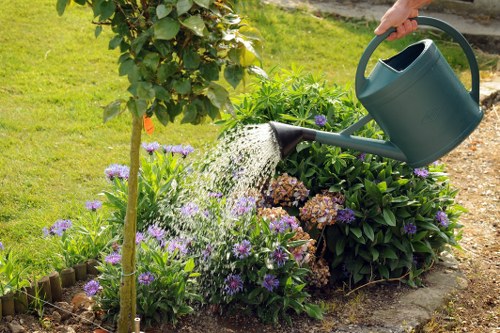
Many local lawns experience similar issues, but the underlying causes can vary. Identifying the problem correctly is the key to fixing it properly. A patchy lawn, for example, may be suffering from drought, poor drainage, shade, pests, or compacted soil. Treating the wrong issue can waste time and money.
In some cases, yellowing grass may be linked to nutrient deficiency. In others, it may simply be a sign of stress from mowing too short or walking across the lawn too often. Lawn care in Ickenham works best when it takes a practical, investigative approach rather than relying on guesswork.
Some of the most common lawn issues include:
- Patchy grass caused by poor soil, wear, or uneven watering.
- Moss growth in damp, shaded, or compacted areas.
- Weeds spreading into thin or neglected turf.
- Scorching or browning during hot weather or after cutting too low.
- Waterlogging after heavy rain due to drainage problems.
Once the cause is identified, you can apply the right fix. That might mean aeration, reseeding, improving drainage, adjusting the mowing height, or using a seasonal fertiliser. In more stubborn cases, a structured lawn treatment plan may be the most efficient solution.
Benefits of professional lawn care in Ickenham
While many homeowners enjoy caring for their own gardens, professional support can save time and improve results, especially where lawns have stubborn problems or limited growing conditions. A skilled lawn specialist can assess soil quality, identify pests or disease, and recommend a maintenance schedule that matches the needs of the property.
Professional lawn care in Ickenham can be particularly helpful if your lawn has recurring moss, poor drainage, or patchy recovery after winter. Experienced providers often use a combination of fertilisation, aeration, scarification, weed control, and overseeding to restore the lawn over time. This layered approach often produces more reliable improvements than basic maintenance alone.
If you have a busy schedule or want a consistently polished outdoor space, professional lawn care may be the best option. It can also help prevent minor problems from turning into bigger and more expensive repairs later on.
How to build a year-round lawn care plan
A year-round plan makes lawn maintenance easier to manage and more effective overall. Rather than reacting only when something goes wrong, you can stay ahead of problems and help your lawn remain strong through every season. This is especially useful for lawn care in Ickenham, where changing weather and local soil conditions can have a clear impact on grass health.
A simple plan may include routine mowing, spring feeding, autumn feeding, annual aeration, patch repair, and occasional scarification. You can also build in monthly checks for weeds, moss, drainage, and bare spots. The earlier you spot issues, the simpler they are to correct.
Below is a practical framework many homeowners can follow:
- Monthly: Inspect for weeds, thinning grass, and irrigation issues.
- Spring: Scarify lightly, aerate if needed, overseed, and apply a spring feed.
- Summer: Mow appropriately, water only when necessary, and avoid excessive stress.
- Autumn: Remove leaves, feed for root strength, and repair damaged patches.
- Winter: Limit traffic and keep the lawn free from debris and standing water.
By following a steady routine, you can improve both the appearance and resilience of your lawn without overcomplicating the process.
Practical tips for better lawn results
Small improvements often lead to noticeable gains. For example, changing how you mow or when you water can significantly affect the appearance of your lawn. Similarly, paying closer attention to soil condition and seasonal timing can help your grass stay greener and denser.
Here are a few practical habits that support successful lawn care in Ickenham:
- Sharpen mower blades regularly for a clean cut.
- Water deeply rather than frequently.
- Leave grass slightly longer during warm weather.
- Apply fertiliser at the correct seasonal time.
- Remove fallen leaves promptly to avoid smothering the turf.
- Address shaded or waterlogged areas separately if needed.
These habits are simple, but they make a significant difference over time. A lawn that receives consistent attention will usually look healthier, recover faster, and require fewer corrective treatments.
When to seek extra support
If your lawn continues to struggle despite regular maintenance, it may be time to look beyond basic care. Persistent moss, recurring bare patches, poor drainage, or poor growth in shaded sections may require a more targeted solution. In those cases, a professional approach to lawn care in Ickenham can save time and bring more dependable results.
Choosing expert support does not mean giving up on your garden. Instead, it means giving your lawn the best chance to thrive through informed treatment and consistent upkeep. Whether you need one-off restoration or ongoing maintenance, a tailored plan can help improve both the look and health of your grass.
Contact us today to discuss your lawn goals, or book your service now if you are ready to improve your garden’s appearance. With the right approach, lawn care in Ickenham can be straightforward, effective, and rewarding all year round.